Diet Culture & Social Media: The Impact on Body Image
 By Joan Gichuhi . 22nd.September.2021
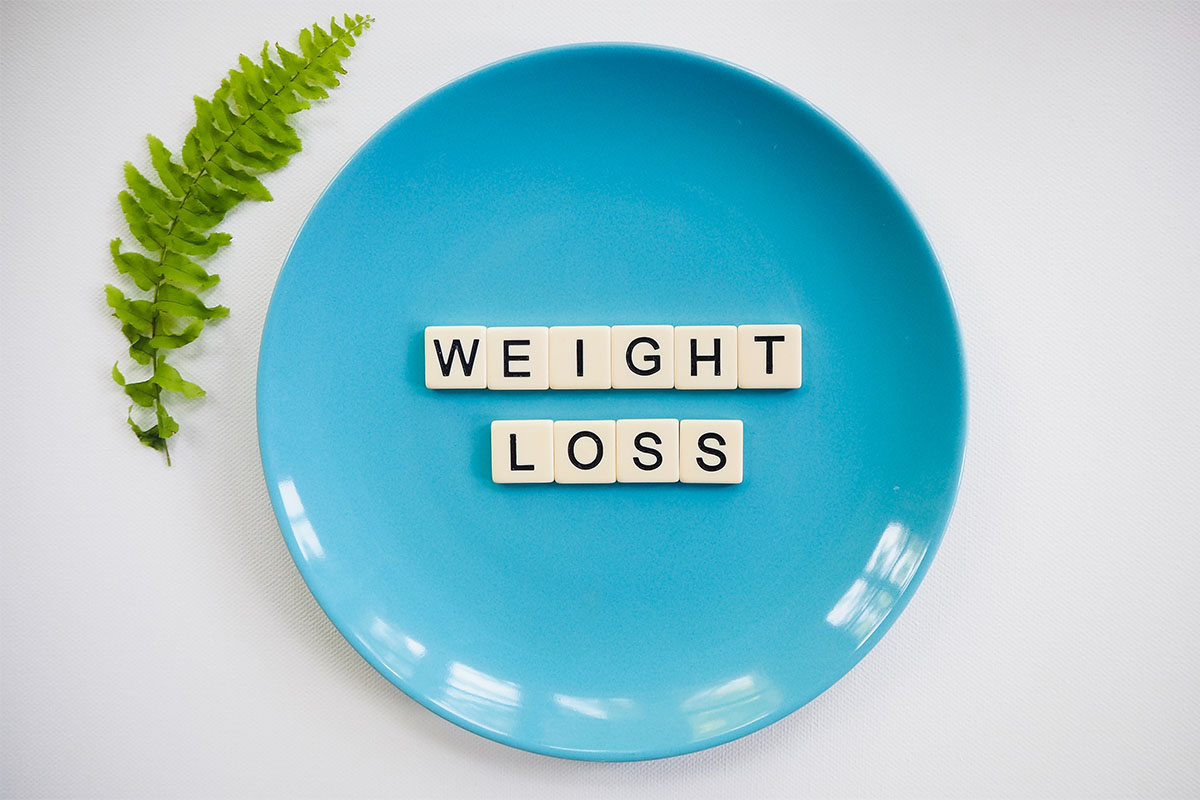
Photo by Total Shape from Pexels
If you’re active on social media or the internet, you know that it is virtually impossible to avoid diet and wellness culture online. If you’re at all interested in losing weight or getting in better physical shape, there is no shortage of diet fads or workout advice from people who look like they’ve got it all figured out. But is this the advice you should be following?
Diet culture is a set of beliefs revolving around the idea that "thin" bodies are the most desirable, valuable, and "healthy." Diet culture also conveys that eating a certain way is "good" or "bad" - and that a person's worth increases when eating "healthy," or when having a petite body. Diet culture makes people so fearful of food and anxious about losing control that they can’t even participate in their lives. Here is how diet culture might be taking over your life, it’s link with social media, and how to ditch the diet culture cycle.
Diet culture is consuming us
Among many things, diet culture's influence can lead to developing weight bias - which is having unfavorable thoughts about people due to their body size or weight. Weight bias can then result in weight stigma - which entails putting labels on people due to their body size and discriminating against them. Weight stigma can then lead to internalized weight stigma, in which a person begins to believe that the labels that have been thrown at them are true - which may be particularly damaging to the person's overall health. Internalized weight stigma is associated with chronic dieting, low self-esteem, eating disorders, decreased desire for sex, exercise, etc.
Bottom Line: Diet culture is why people get compliments for losing weight—even if the behaviors that led to the weight loss are killing them. It’s what makes some people skip birthday parties out of fear that they’ll have to eat cake.
The link with social media
The media has a tremendous impact on body image. Edited images have been reported to encourage men and women to compare themselves to heavily enhanced, and often physically unachievable appearance ideals, which can have a serious negative impact on their wellbeing. Exposure to these images in the media has been associated with increased body dissatisfaction, lowered self-esteem, and body image-related anxiety. According to research, 70% of women, and over 50% of men aged 18–35 years edit their images regularly. Additionally, based on a 2019 social media survey, it was discovered that 90% of 18 – 29-year-olds use any form of social media daily. When it comes to online diet culture, it seems that social media primarily serves to stoke body anxiety rather than help you live better.
Bottom Line: Because social media is so universal and influential in today’s society, posts can be impactful. Viewers are under the impression that thinner is better, and that skinny equals attractive.
Top 4 myths about body image and weight loss
- Losing weight is a question of wanting to
Contrary to what most think, losing weight doesn’t necessarily depend on a person’s motivation to be thin. Hormones and genetics are to blame when some can’t attain the results they want – they’re not excuses.
- Accepting yourself is letting yourself go
Many people tend to automatically assume plus-sized people look the way they do because they let themselves go. This is true in some cases but NOT all. Because their figure doesn’t meet society’s standards, many people immediately associate them with having low self-esteem. For some odd reason, our culture doesn’t strongly believe that full-figured people can be confident, too.
- Healthy weight is accurate and reliable data
Body Mass Index (BMI) is a simple calculation that uses a person’s height and weight. Although there exists a link between a high BMI and the risk of developing cardiovascular diseases, these measures remain inaccurate, because they don’t take into account individual factors, such as age and one’s percentage of muscle and bone mass.
- Thinness equates wellness
In our culture, weight is wrongly associated with health when a person’s well-being is not defined by their physical shape. Unless we have a person’s medical records, how can we make a diagnosis based solely on one’s appearance? We can’t, yet, doctors insist that women lose weight before they can even utter a word upon visit.
Bottom Line: In a world that puts so much emphasis on appearance, having a positive outlook on one’s body is not always easy. We must redefine the concept of true beauty and start embracing what makes us different, despite the judgment of others.
How to ditch the “diet culture”
- Avoid “fat-talk”
- Avoid “clean eating talk” or weight-related conversations
- Do not edit photos. Embrace your natural self!
- Recognize that thinness does not equal health
- Understand that models are not representative of an average human’s body
- Unfollow toxic accounts and instead follow accounts with diverse body types
Bottom Line: If you had a romantic partner who had the same impact on you as diet culture does, I’d call it abuse, and then i'd tell you to run from that relationship like you're running from the bubonic plague! The key to living healthy is to have everything in moderation.
If you like this post and find it share-worthy – which I hope you do – please share. Tag #smodernhealth on Instagram and don’t forget to check out my other blog posts!
Share with your friends:
Leave a Comment
Your email address will not be published.
Comments (0)
Hey There! I'm Joan

I'm the web developer, recipe developer, and eCookBook author behind Smodern Health. A lot of people believe that keeping fit is hard, and healthy waistline-friendly food is tasteless boring. Well... i'm here to show you otherwise. Whether it's for my meal plans, health tips, or weight loss motivation.. I'm so happy you're here!